5 min read
Carbon Fiber vs Aluminum for UAV Airframes
Compare carbon fiber vs aluminum for UAV airframes on weight, stiffness, and cost. Make informed material selection for your aircraft.
By the Rox Aero team
Material Selection for UAV Airframes: Carbon Fiber vs. Aluminum
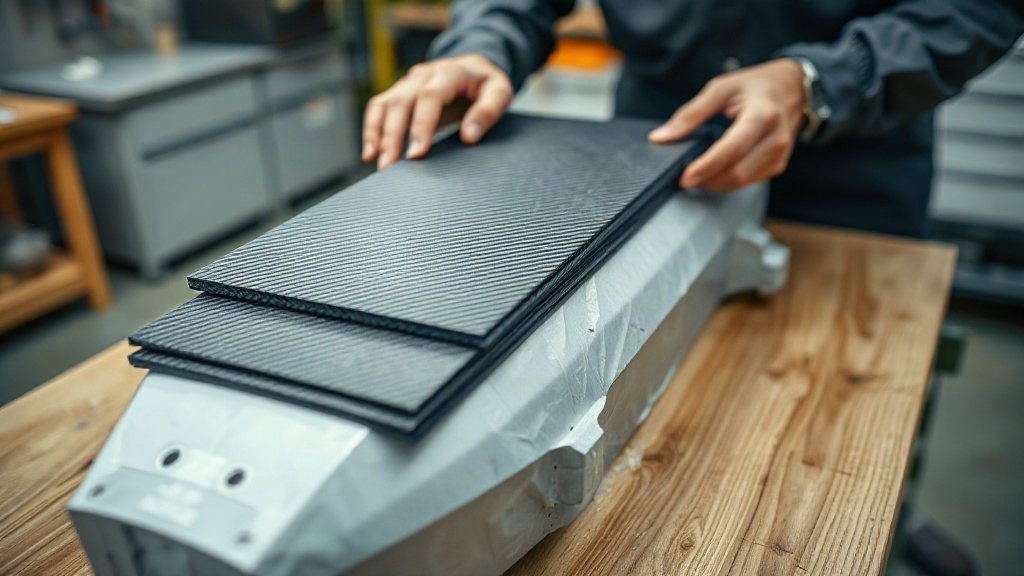
When specifying materials for UAV airframes, engineers often weigh the trade-offs between carbon fiber composites and traditional aluminum alloys. The choice significantly impacts performance, including weight, stiffness, and overall program cost. A carbon fiber UAV airframe typically offers superior specific strength and stiffness compared to aluminum, allowing for lighter structures that can carry heavier payloads or achieve longer endurance. This advantage is crucial for a wide range of aerospace applications, from small unmanned survey aircraft to larger reconnaissance platforms. Rox Aero specializes in manufacturing Carbon Fiber Aerospace Components, providing custom-designed parts to meet specific engineering requirements for wholesale and OEM supply.
Weight and Stiffness Comparisons
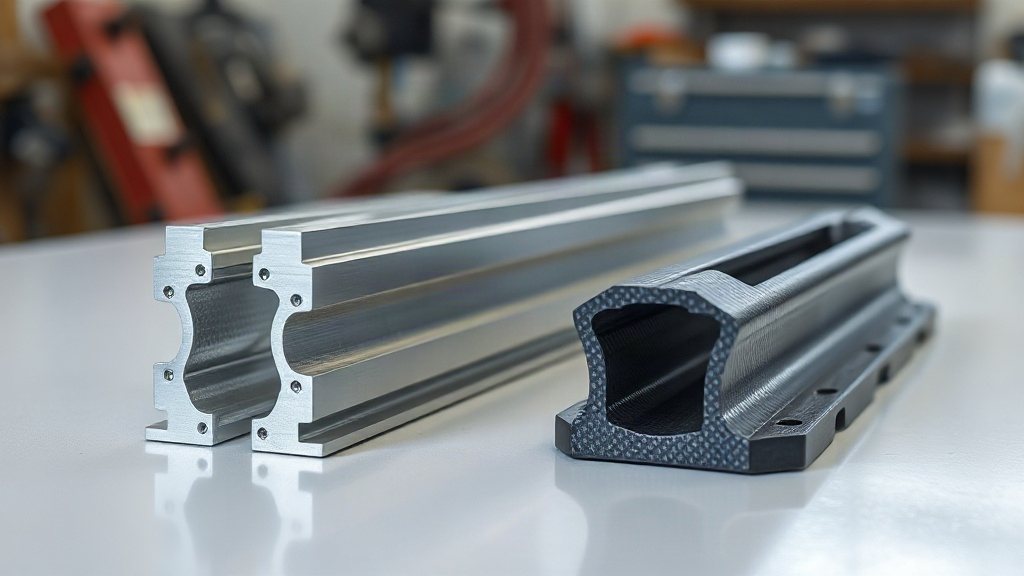
The primary driver for selecting carbon fiber in aerospace is its exceptional strength-to-weight ratio. For a given level of structural integrity and stiffness, a carbon fiber component will be substantially lighter than its aluminum counterpart. For example, typical aerospace-grade aluminum alloys like 6061-T6 have a density of approximately 2.7 g/cm³. Carbon fiber composites, depending on the resin system and fiber orientation, can range from 1.5 to 1.8 g/cm³. This lower density, combined with the high tensile strength and modulus of carbon fibers, results in components that are not only lighter but also stiffer. Stiffness, often quantified by the Young's modulus, is critical for maintaining aerodynamic shape and minimizing flutter. Carbon fiber composites can achieve a Young's modulus significantly higher than aluminum, often exceeding 130 GPa, whereas 6061-T6 aluminum is around 69 GPa. This means a carbon fiber structure will deform less under load, which is vital for maintaining optimal wing profiles and control surface integrity.
Manufacturing and Design Considerations
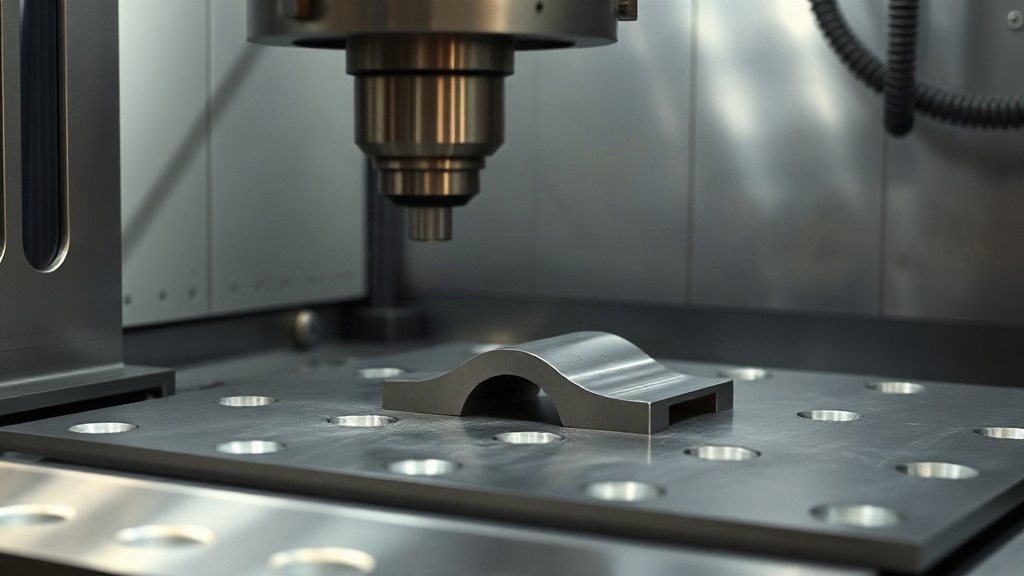
The manufacturing processes for carbon fiber and aluminum differ considerably, influencing design flexibility and production costs. Aluminum is well-suited to traditional subtractive manufacturing methods like CNC machining and can be readily formed, riveted, or welded. Its predictability and established manufacturing base make it a familiar choice. Carbon fiber, on the other hand, is typically manufactured using composite lay-up processes (pre-preg or wet lay-up) followed by curing in an autoclave or oven. This approach allows for complex, integrated structures to be formed in a single piece, reducing the need for joints and fasteners, which are common failure points and add weight. Rox Aero's Carbon Fiber Manufacturing capability focuses on producing these custom parts to precise drawings, enabling intricate designs that leverage the material's capabilities. The design freedom offered by composite lay-up allows for tailored stiffness and strength characteristics by orienting fibers in specific directions to match load paths.
Cost Analysis: Initial vs. Lifecycle
The cost comparison between carbon fiber and aluminum is complex and depends on various factors, including material volume, part complexity, and manufacturing scale. Historically, carbon fiber has been more expensive on a per-pound basis than aluminum. However, this gap has narrowed, especially for high-performance applications. When evaluating cost, it's essential to consider the entire lifecycle. The weight savings achieved with carbon fiber can lead to reduced fuel consumption or increased payload capacity, translating to lower operational costs over the aircraft's life. Furthermore, the potential for part consolidation in carbon fiber designs can reduce assembly labor and tooling costs. While the initial material cost for carbon fiber might be higher, the total cost of ownership, factoring in performance gains and reduced operational expenses, can make it the more economical choice for many UAV platforms. Rox Aero provides wholesale and OEM supply, working with manufacturers to balance performance requirements with cost targets for their specific programs.
Impact on Avionics and Control Systems
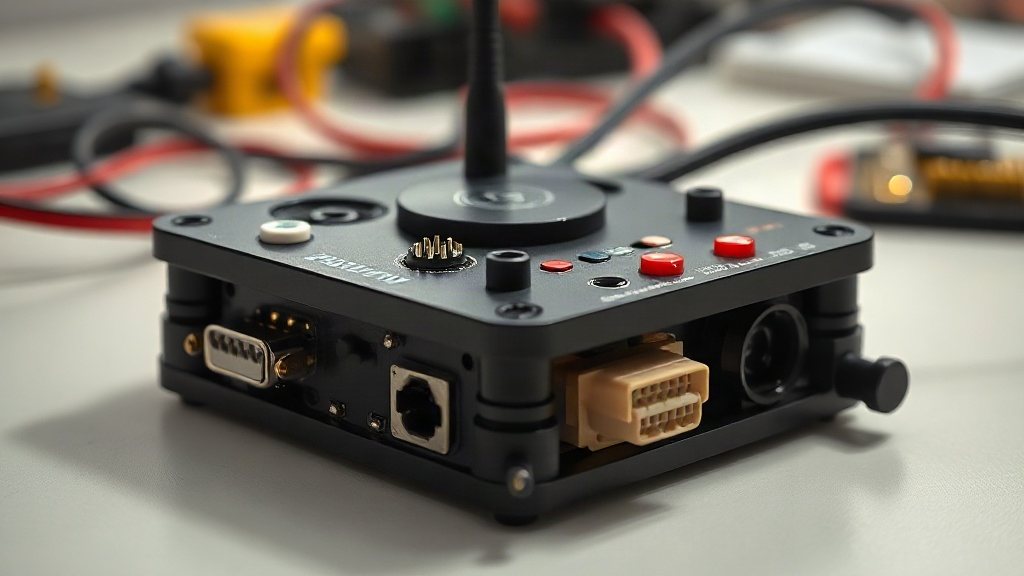
The material choice for the airframe can indirectly influence the design and selection of avionics and control systems. Lighter airframes, enabled by carbon fiber, can accommodate smaller, lighter actuators and flight controllers, reducing the overall system weight. For instance, the FC-1 Flight Controller is designed to be compact and lightweight, ideal for integration into airframes where space and weight are at a premium. The electromagnetic properties of composite materials also differ from metals. While carbon fiber is generally considered non-conductive or semi-conductive, its interaction with radio frequencies and other electromagnetic signals needs to be accounted for in avionics placement and shielding strategies. Aluminum, being conductive, can sometimes offer inherent shielding but also poses challenges with electromagnetic interference if not properly managed. Understanding these nuances is crucial for robust system integration.
Durability and Repair Considerations
Both carbon fiber and aluminum have distinct durability characteristics. Aluminum alloys are susceptible to fatigue cracking under cyclic loading and can be prone to corrosion if not properly treated. Repairing damaged aluminum structures often involves patching or replacing sections, which can be labor-intensive. Carbon fiber composites generally exhibit excellent fatigue resistance and are not susceptible to corrosion. However, they can be vulnerable to impact damage, which may not always be visible externally (Barely Visible Impact Damage - BVID). Repairing composite structures typically involves localized patching, which requires specialized knowledge and techniques. The complexity and cost of repair for composites can be higher than for aluminum in some cases, though advanced composite repair methods are continually evolving. For wholesale and OEM applications, the long-term reliability and reduced maintenance associated with carbon fiber's corrosion and fatigue resistance are often significant advantages, contributing to a lower lifecycle cost despite potentially higher initial repair expenses.
Planning a batch? Request a wholesale quotation from Rox Aero with your drawings and quantities, and an engineer will reply with pricing and lead time.
Frequently asked questions
What are the main advantages of carbon fiber for UAV airframes?
Carbon fiber offers superior strength-to-weight ratio and stiffness compared to aluminum. This allows for lighter airframes, enabling increased payload capacity, longer endurance, and potentially higher flight speeds.
Is carbon fiber more expensive than aluminum for UAVs?
While the per-pound cost of carbon fiber can be higher, the overall cost comparison is complex. Factors like weight savings, design consolidation, reduced operational costs (e.g., fuel), and lifecycle considerations can make carbon fiber more economical for many UAV applications.
How does carbon fiber compare to aluminum in terms of stiffness?
Carbon fiber composites are generally significantly stiffer than aluminum alloys, meaning they deform less under load. This higher stiffness is critical for maintaining aerodynamic integrity and preventing flutter in high-performance UAVs.
What are the manufacturing differences between carbon fiber and aluminum airframes?
Aluminum is typically manufactured using machining, forming, riveting, or welding. Carbon fiber components are created through composite lay-up processes (using pre-preg or wet lay-up) and curing, allowing for more complex, integrated structures with fewer joints.