6 min read
UAV Flight Controller Channels: Servos & ESCs
Determine the necessary UAV servo channels and ESC outputs for your VTOL or fixed-wing aircraft. Optimize your flight control system.
By the Rox Aero team
Determining Flight Controller Output Needs for UAVs
Selecting the right flight controller hinges on understanding the specific output requirements for your aircraft. For VTOL and fixed-wing UAVs, the primary outputs are typically for motor control (via Electronic Speed Controllers, or ESCs) and control surface actuation (using servos). The number of required UAV servo channels and ESC channels varies significantly based on the airframe configuration, control strategy, and payload integration. A basic fixed-wing aircraft might only need aileron, elevator, and rudder servos, plus a single ESC for a pusher or tractor motor. More complex designs, such as those with elevons, flaperons, multiple control surfaces, or differential thrust, will demand a greater number of servo outputs. Similarly, multi-engine fixed-wing aircraft or VTOL designs with multiple lift and transition motors will require more ESC channels. Careful planning during the design phase ensures the chosen flight controller can handle all necessary actuations without compromise.
ESC Channel Requirements for Propulsion Systems
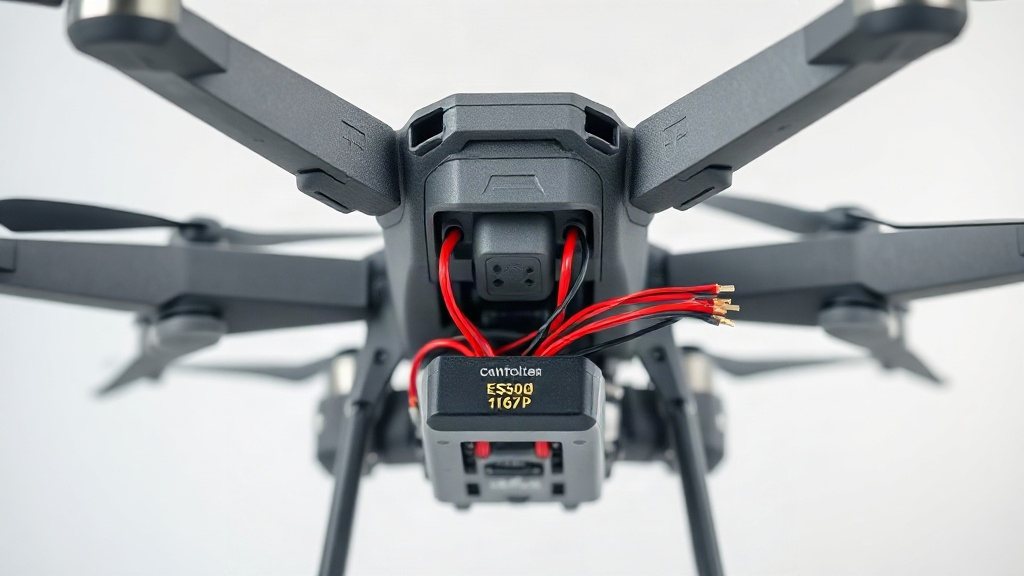
The number of ESC channels is dictated by the propulsion system. For conventional fixed-wing aircraft, a single motor is common, requiring one ESC. However, some fixed-wing designs employ multiple motors for redundancy, thrust vectoring, or specialized flight modes. In these cases, each motor requires its own ESC. VTOL aircraft present a more complex scenario. A quadrotor VTOL, for instance, will need four ESCs for its lift motors. If these motors also serve as primary propulsion in forward flight, four ESC channels are essential. Hybrid designs that combine fixed-wing flight with VTOL capabilities, such as tilt-rotor or tilt-wing aircraft, can significantly increase ESC channel demand. A quad-tilt-rotor VTOL might require four ESCs for lift rotors and two more for forward propulsion motors, totaling six ESC channels. Some advanced control schemes might even use differential thrust for yaw control in multi-motor fixed-wing aircraft, further increasing the ESC count. When specifying VTOL flight controller outputs, always account for the maximum number of independent propulsion units that need to be controlled simultaneously.
Servo Channel Demands for Control Surfaces and Actuators
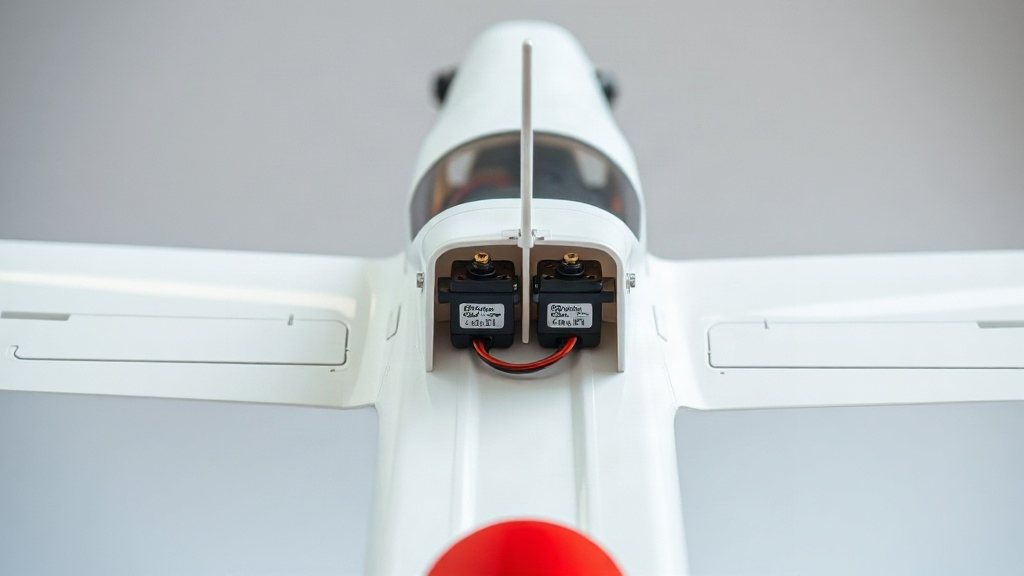
Control surfaces are the primary application for servo outputs on fixed-wing UAVs. A standard aircraft configuration typically includes servos for:
- Ailerons (often one or two servos)
- Elevator (one or two servos)
- Rudder (one servo)
Integrated Flight Controllers and Output Capabilities
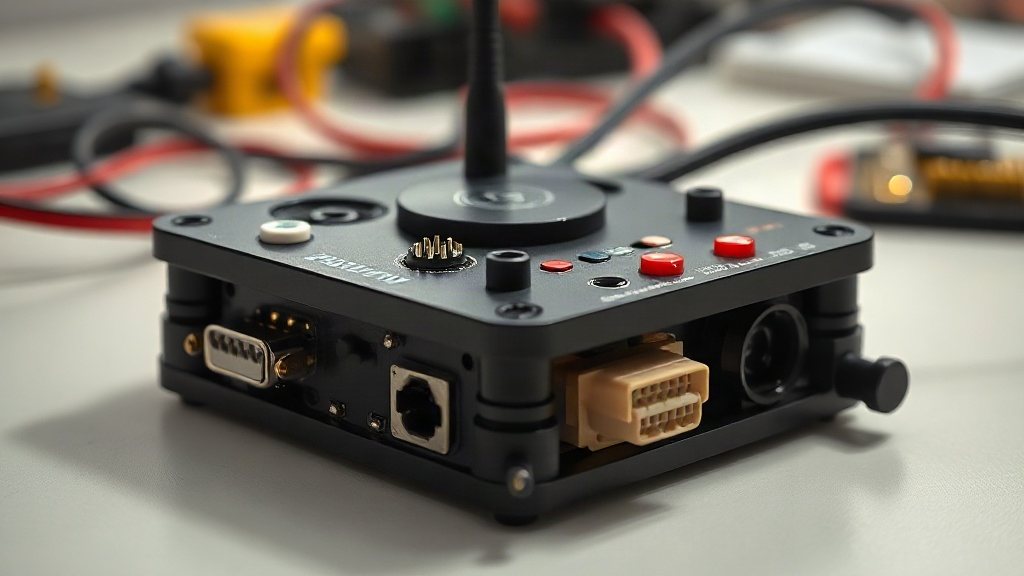
Modern flight controllers often integrate multiple ESC and servo outputs to simplify wiring and reduce the overall system footprint. For example, a compact unit like the FC-1 Flight Controller provides four ESC channels and ten servo outputs. This level of integration is suitable for a wide range of UAVs, from small fixed-wing reconnaissance aircraft to moderately complex VTOL systems. The ten servo outputs on the FC-1 are sufficient for most fixed-wing control surface needs, including ailerons, elevator, rudder, and even flaps or spoilers, while still leaving channels available for secondary functions or payload actuation. The four ESC channels can manage multi-rotor configurations or dual-motor fixed-wing setups. For systems demanding more than ten servo outputs or more than four ESC channels, designers may need to consider cascaded controllers or specialized avionics solutions. The Flight Control Electronics capability at Rox Aero focuses on designing such integrated systems, ensuring robust performance and efficient component utilization. Understanding these output counts is crucial for selecting the appropriate avionics suite that meets the specific demands of the aircraft's flight control architecture.
Advanced Control Strategies and Output Expansion
Beyond basic control surfaces and propulsion, advanced flight control strategies can further influence the number of required outputs. Differential thrust, for instance, uses variations in motor speed to provide yaw control on multi-rotor or multi-engine fixed-wing aircraft, requiring individual ESC control for each relevant motor. Thrust vectoring systems, which physically redirect engine exhaust or propeller wash, also necessitate dedicated servo control for each vectoring nozzle or vane. Some VTOL transition mechanisms, particularly those involving complex wing or rotor tilting, may require multiple servos to achieve the desired range of motion and precise synchronization. Furthermore, the integration of advanced stabilization systems or active aerodynamic surfaces can add to the servo count. For aircraft with extensive requirements, flight control architectures might employ multiple flight controllers or a central flight controller communicating with auxiliary servo or ESC driver boards. The Embedded Firmware & Control team develops the real-time software that manages these complex output configurations, ensuring precise and reliable operation across all flight phases. This firmware is often tailored to the specific hardware map of the flight controller and the aircraft's control surface setup.
Planning for Future Capabilities and Payload Integration
When specifying VTOL flight controller outputs and servo channels, it is prudent to plan for future expansion or changes in mission requirements. Aircraft designs often evolve, and adding new functionalities, such as advanced sensors, larger payloads, or different control modes, can increase the demand for outputs. For example, a UAV initially designed for basic aerial photography might later be upgraded for advanced survey tasks requiring a stabilized gimbal (multiple servos), a payload release mechanism (one servo), and potentially more sophisticated flight control for increased stability in challenging conditions. Similarly, a fixed-wing UAV might be adapted for target tracking, which could involve a pan-and-tilt turret for a sensor or weapon system, each requiring its own servo. Designing with a buffer of unused servo and ESC channels can prevent costly hardware redesigns later in the development cycle. Rox Aero can assist in defining these requirements, leveraging their expertise in both Carbon Fiber Manufacturing and flight control electronics to provide integrated solutions. When requesting wholesale quotations, providing detailed output requirements is essential for accurate specification and pricing.
Planning a batch? Request a wholesale quotation from Rox Aero with your drawings and quantities, and an engineer will reply with pricing and lead time.
Frequently asked questions
How many ESC channels does a quadcopter VTOL need?
A standard quadcopter VTOL configuration requires four ESC channels, one for each lift motor. Some VTOL designs may use these same motors for forward flight, necessitating individual ESC control.
What are typical servo channels for a fixed-wing UAV?
A basic fixed-wing UAV typically needs 3-4 servo channels for ailerons, elevator, and rudder. More complex aircraft with flaps, spoilers, or elevons can require 6-8 or more servo channels.
Can a single flight controller manage multiple motors and control surfaces?
Yes, many integrated flight controllers are designed to manage multiple ESCs for propulsion and numerous servo outputs for control surfaces and other actuators simultaneously.
Should I plan for extra servo channels for future upgrades?
It is advisable to include a buffer of unused servo channels in your flight controller selection. This allows for future additions like gimbals, landing gear, or expanded control surface functionality without requiring a hardware change.