5 min read
Isolate Servo Power From Flight Controller Logic
Learn why separating servo power from flight controller logic is crucial for reliable UAV operation and robust flight control power design.
By the Rox Aero team
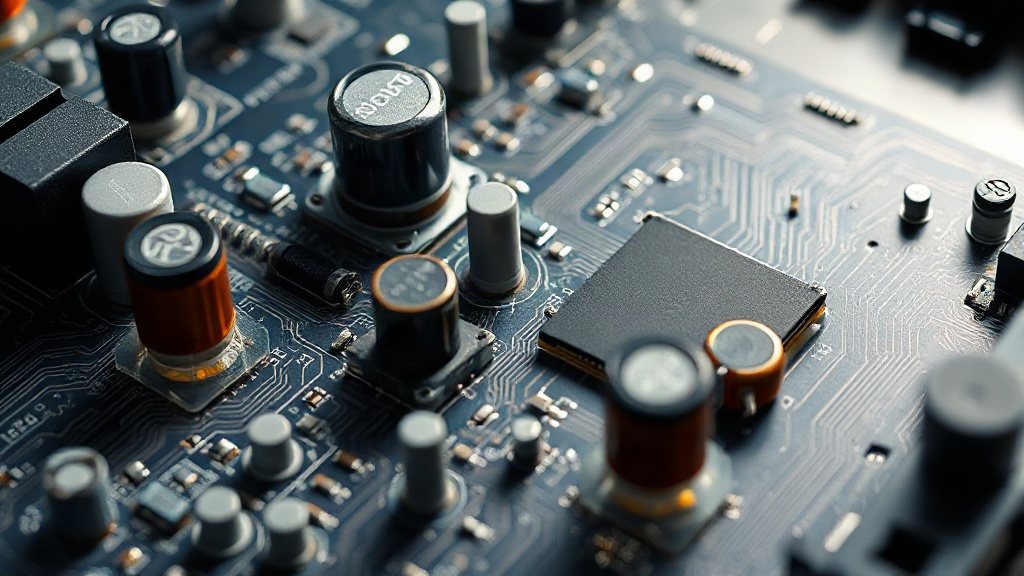
Understanding Servo Power Rail Isolation
For any aerospace manufacturer building UAVs, UCAVs, rockets, helicopters, or aircraft, understanding the nuances of flight controller power design is critical. A common and often overlooked issue is the potential for interference between high-current servo motors and the sensitive logic circuitry of the flight controller. Isolating the servo power rail from the flight controller's logic power is not merely a best practice; it's a fundamental requirement for ensuring stable operation and preventing costly failures. This separation minimizes electrical noise, voltage sags, and ground shifts that can corrupt sensor readings or disrupt control commands, directly impacting flight stability and system reliability. Rox Aero emphasizes this principle in its own Flight Control Electronics development.
Sources of Electrical Noise from Servos
Servos, particularly older analog types or those under heavy load, can introduce significant electrical noise into the power system. The rapid switching of current to drive the motor and the high-frequency switching within digital servos generate electromagnetic interference (EMI). This EMI can propagate through shared power and ground lines, affecting the delicate analog-to-digital converters (ADCs) and microcontrollers within the flight controller. Additionally, the inductive kickback from motor commutation can create voltage spikes. Without proper isolation, these transients can cause momentary glitches in sensor data (like IMU readings) or corrupt communication protocols, leading to unpredictable aircraft behavior. Even the best-designed flight controllers, such as the FC-1 Flight Controller, can be susceptible if their power supply is not adequately managed.
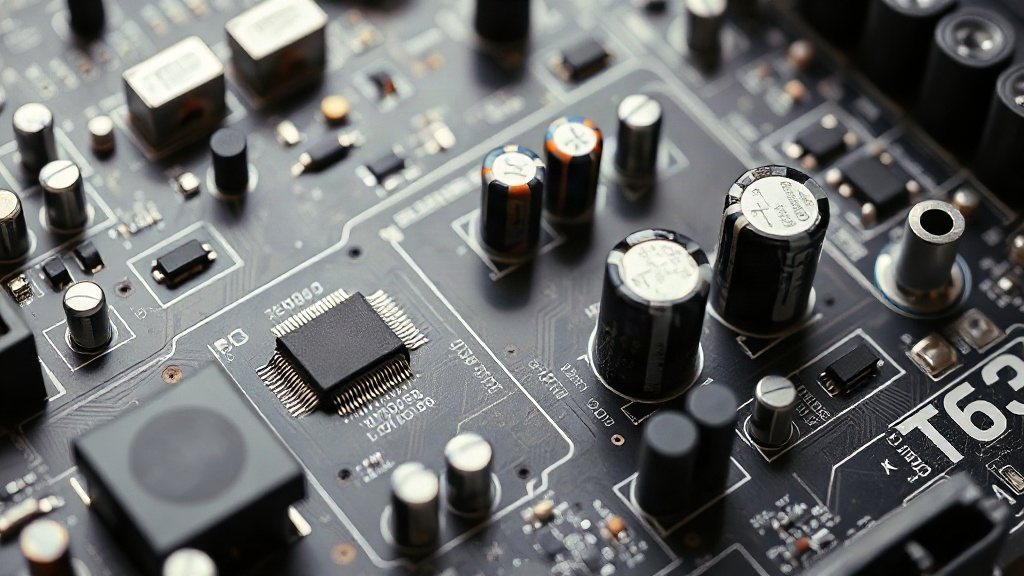
Voltage Sag and Ground Shifts
When a servo motor draws a large amount of current, especially during rapid maneuvers or under load, it can cause a temporary but significant drop in the supply voltage, known as voltage sag. If the flight controller's logic circuitry shares the same power rail, this voltage sag can cause the microcontroller to brown out or reset, leading to a loss of control. Similarly, high currents flowing through common ground paths can create ground shifts, where the voltage potential of the ground plane varies. This differential voltage can be misinterpreted by the flight controller's sensors or logic, leading to erroneous state estimation and control outputs. Proper power distribution design, involving separate power planes or dedicated regulators for critical components, mitigates these issues. This is a key consideration in the flight controller and avionics hardware design process.
Impact on Flight Controller Performance and Reliability
The integrity of the flight controller's power supply directly correlates with its ability to perform accurate sensor fusion, execute complex stabilization algorithms, and respond reliably to commands. When the servo power rail contaminates the logic power, the flight controller may experience:
- Erratic sensor readings leading to unstable flight.
- Intermittent loss of communication with the RC receiver or data link.
- Inaccurate actuator commands due to corrupted data.
- Complete system resets or failures during critical flight phases.
Design Strategies for Power Isolation
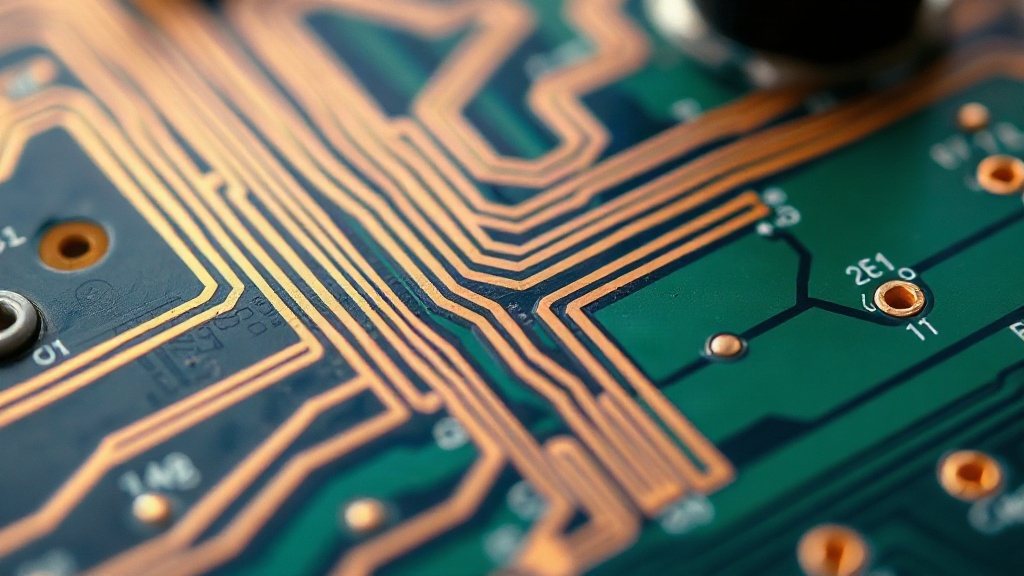
Effective isolation of servo power from flight controller logic involves several design strategies. Primarily, this means using separate power planes on the printed circuit board (PCB) for high-current loads and sensitive electronics. Dedicated voltage regulators are often employed to provide a stable, clean power source to the flight controller's microprocessor and sensors, independent of the power demands of the servos. Filtering components, such as capacitors and ferrite beads, are placed strategically on power lines to suppress noise and transients. Proper grounding techniques, including star grounding or using thick ground planes, minimize ground shifts. For complex systems, a dedicated power management unit (PMU) might be implemented to distribute power efficiently and cleanly. This level of detail is essential in the schematic, PCB layout, and bring-up phases of avionics development.
Rox Aero's Approach to Power Integrity
At Rox Aero, we recognize that the performance and reliability of an aircraft are intrinsically linked to the quality of its avionics and structural components. Our design philosophy for flight controllers and associated electronics prioritizes robust power integrity. This includes careful layout of power and ground planes, selection of appropriate filtering components, and thorough testing to identify and mitigate potential noise sources. By adhering to these principles, we ensure that our flight controllers, whether integrated into our own systems or supplied to OEM partners, deliver stable and predictable performance across a wide range of operating conditions. This commitment extends to our Carbon Fiber Manufacturing processes, where precision and reliability are also paramount, ensuring that the entire system performs as intended.
Planning a batch? Request a wholesale quotation from Rox Aero with your drawings and quantities, and an engineer will reply with pricing and lead time.
Frequently asked questions
What happens if servo power is not isolated from flight controller logic?
Unstable flight, sensor glitches, and potential system resets can occur due to electrical noise and voltage sags from the servos interfering with the flight controller's sensitive electronics.
How can I isolate servo power from my flight controller?
Use separate power planes on the PCB, dedicated voltage regulators for the flight controller, and implement filtering components like capacitors and ferrite beads.
Does this power isolation apply to all types of servos?
Yes, while digital servos are generally cleaner, all servos can introduce noise and voltage fluctuations. Isolation is a robust design practice for any servo-driven system.